..The Kingfisher..

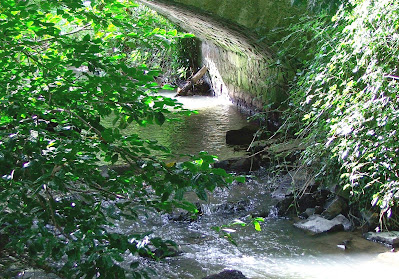
There are Kingfishers along the Camac and they can sometimes be seen at Corkagh. However, despite their vivid electric blue and vibrant orange colouring they can be very hard to see. Once they have fed they will perch silently in the dense hedgerows bordering the river and mill pond. They are an extremely shy bird and often see you before you see them. The best you might hope for is to spot them flying low and straight across the lakes.

Remember too that they are a small bird, about the size of a sparrow, but because they are a popular subject for photographers using zoom lenses you may get the impression from photos that they are larger. The photos I am sharing were all taken at Corkagh but the quality is not great. I live in hope of getting some great shots one day soon.

Small fish are their primary food but they will also eat insects. Clean and clear water is crucial for their continued well being and they are a good indicator of water quality. In previous summers I have seen them feeding, sometimes perched in the rushes, sometimes on branches hung low over the lakes. In winter, I have seen them at the mill pond.

The Kingfisher is a solitary creature outside the breeding season and will defend its feeding territory against all comers. In early Spring the male will call from a favoured perch to attract nearby females and having found a mate the courtship is concluded with the male offering food to the female. At this point she deserts her own winter territory and joins the male.

They build their nest in tunnels bored into high vertical river or sand banks. High enough to avoid flooding during wet periods and also to avoid the attentions of predators like rats. Both male and female work to create this tunnel, hard work indeed and it can take several days. After the eggs are laid and incubation begins the parent birds will regurgitate fish bones and scales on to the floor of the tunnel which protects the eggs for the damp tunnel floor.

The Kingfishers can have up to 3 broods per season and may reuse the nest. However a clean up has to be done before the next batch of eggs is laid since the nest can get incredibly messy and smelly. Otherwise, the female will leave the nestlings to be looked after by the male while she sets about creating a new tunnel for her next brood.

The fledgling Kingfishers, unlike other birds, are almost fully grown and able to fly and so within a day or two they are chased from the territory by their parents. However they are not fully prepared for life on their own and so this is a very dangerous time for the juveniles. They will usually find a small pond, or slow moving water where they can hone their fish catching skills.

When Autumn arrives and the final brood have fledged the male will aggressively chase the female off. She will attempt to return to her original territory but if that has been taken over by another male in the meantime she will find herself on the lookout for new accommodation.