..Grey Wagtail..


The Grey Wagtail is a bird that is never far from water. It feeds on the larvae and adults of mayflies, midges and the like which are found on or near rivers and ponds.
 |
| Wagtail at Mill Pond with flies for the nestlings. |
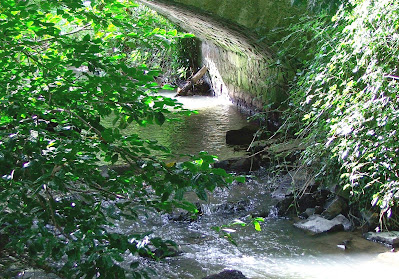
In early March the male establishes a territory up to 1k along a fast flowing river. In Corkaghs case that would be the Camac. A female chooses her mate based on the quality of his river estate, she has a preference for areas with plenty of flies, lots of exposed rocks to perch upon and areas of churning rapids.

They build their nests of damp moss and they are always located beside water, maybe a nook under a stone bridge or a cranny in a riverside wall. Both male and female participate in all aspects of breeding.

When the young fledge they cannot fly well but they have claws that are designed to allow them to cling on to walls at the sides of the water or beneath bridges. Within a few weeks they will have learned all the skills necessary for survival and will leave their parents territory to forage for food along shallow ponds and mud flats. The young ones dont develop their yellow breast until autumn however even then it will be much paler than the adult male.

The male and female are very similar but the females yellow breast is a little duller.
 |
| When water levels are low you can see Grey Wagtails searching the mud for food. Image taken at lower lake, Corkagh 2026 |
We are lucky to have a breeding pair here at Corkagh as Grey Wagtails are on the endangered list. Their population has fallen by half in recent decades and their numbers continue to decline. Part of the reason for this decline is issues with water quality, the removal of vegetation near rivers which can impact insect populations and demolition of old stone bridges and walls where they tend to nest. Prolonged periods of cold weather also affect them as when water freezes over they are left without access to food.